Most window performance problems don’t start with the glass. They start at the seal.
Here’s a quick breakdown of what’s actually happening behind the frame 👇
Tilt & turn windows (EPDM compression gaskets)
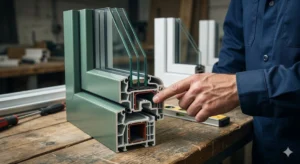
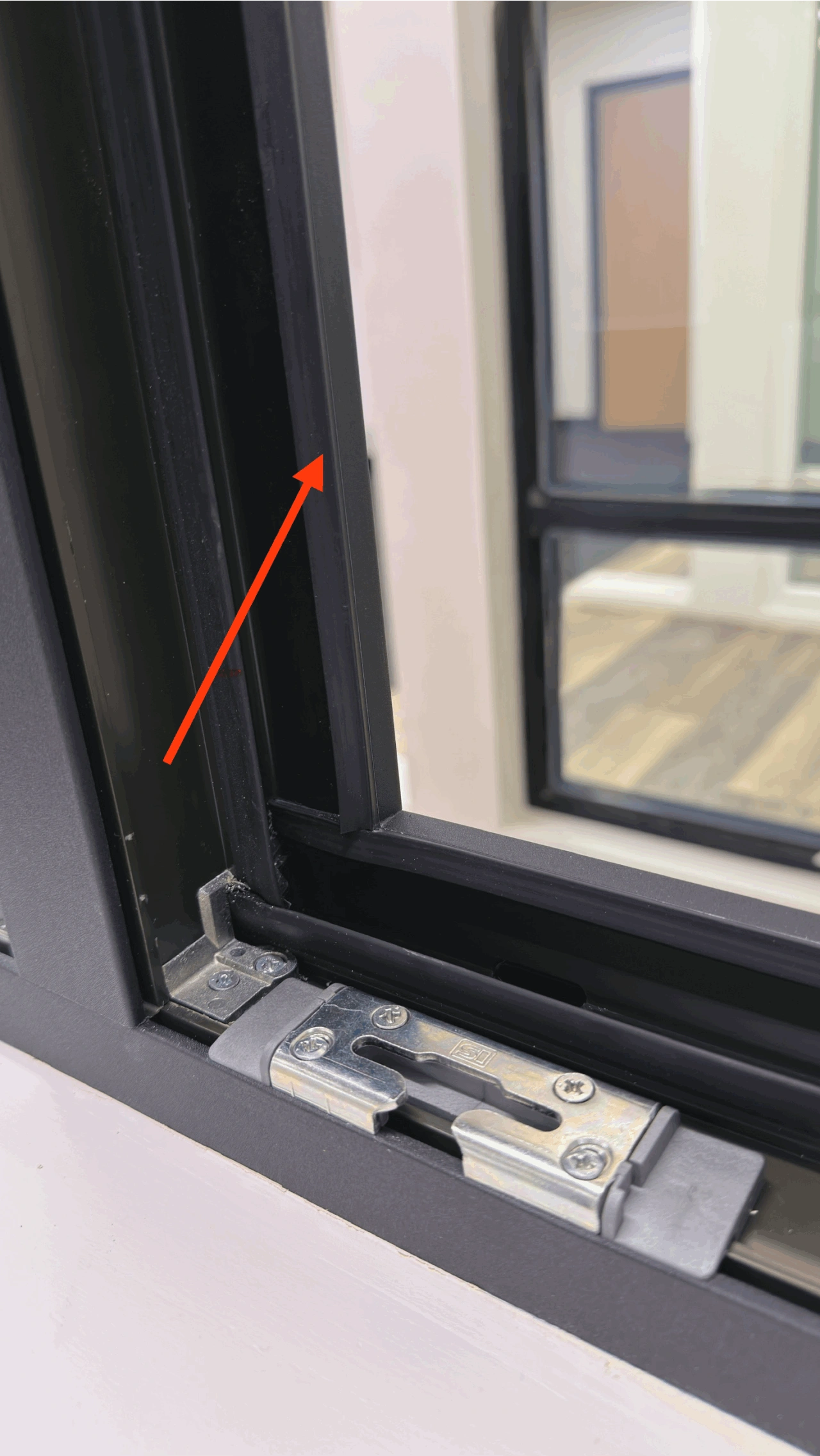
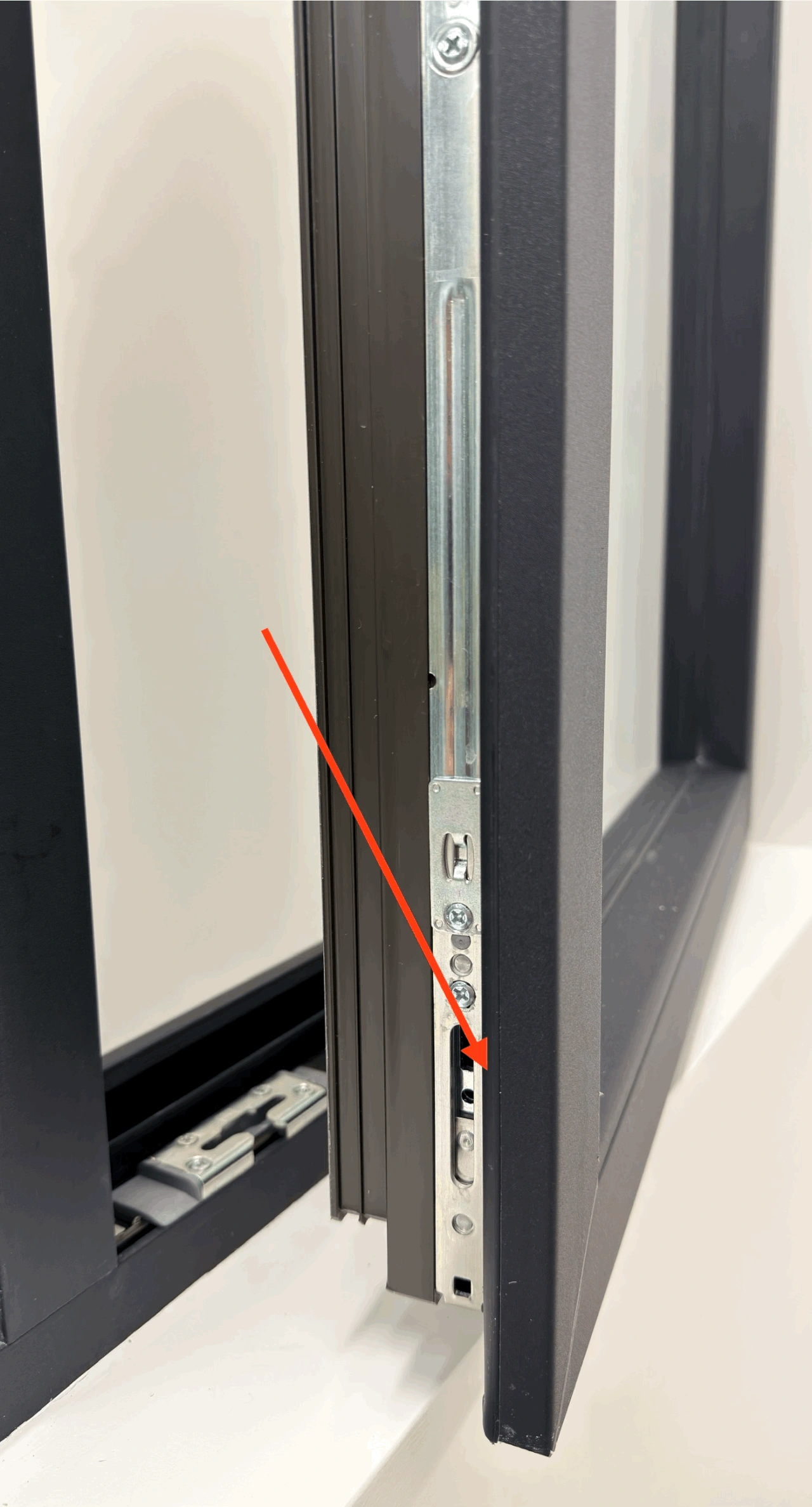
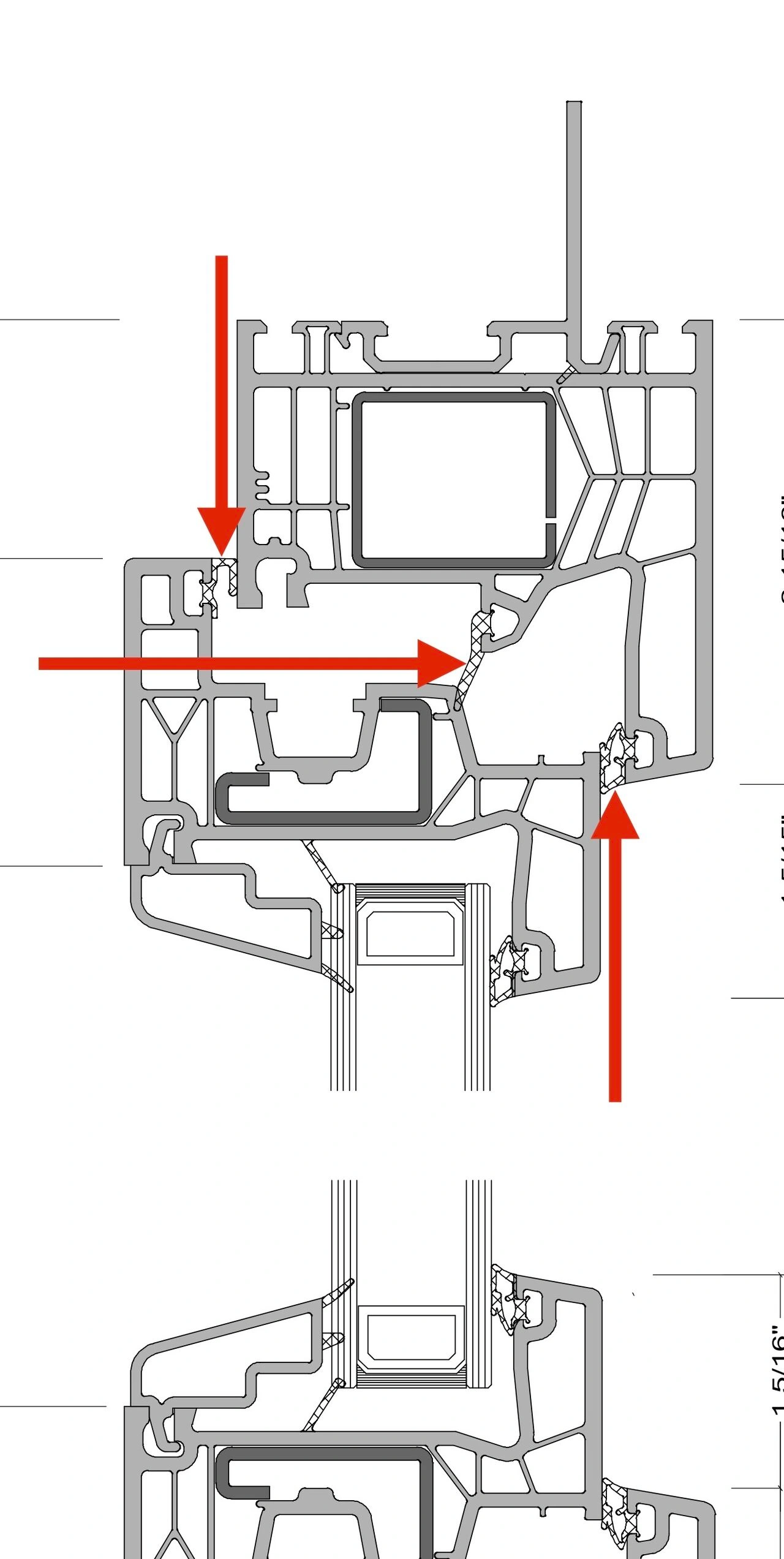
European tilt-and-turn windows use continuous EPDM rubber gaskets that fully wrap the sash. (Same material used on your car door seal)
When the window closes, multi-point hardware pulls the sash tight creating uniform compression on all four sides.
• Airtight seal, not just a dust barrier
• Maintains elasticity for decades
• Resistant to UV, ozone, and temperature swings
• Performance stays consistent over time
Casement windows (foam or bulb gaskets)
Many casements rely on foam-based or bulb gaskets. They seal well when new but depend heavily on perfect alignment.
• Foam compresses and takes a set over time
• Small frame movement = broken seal
• Performance slowly degrades
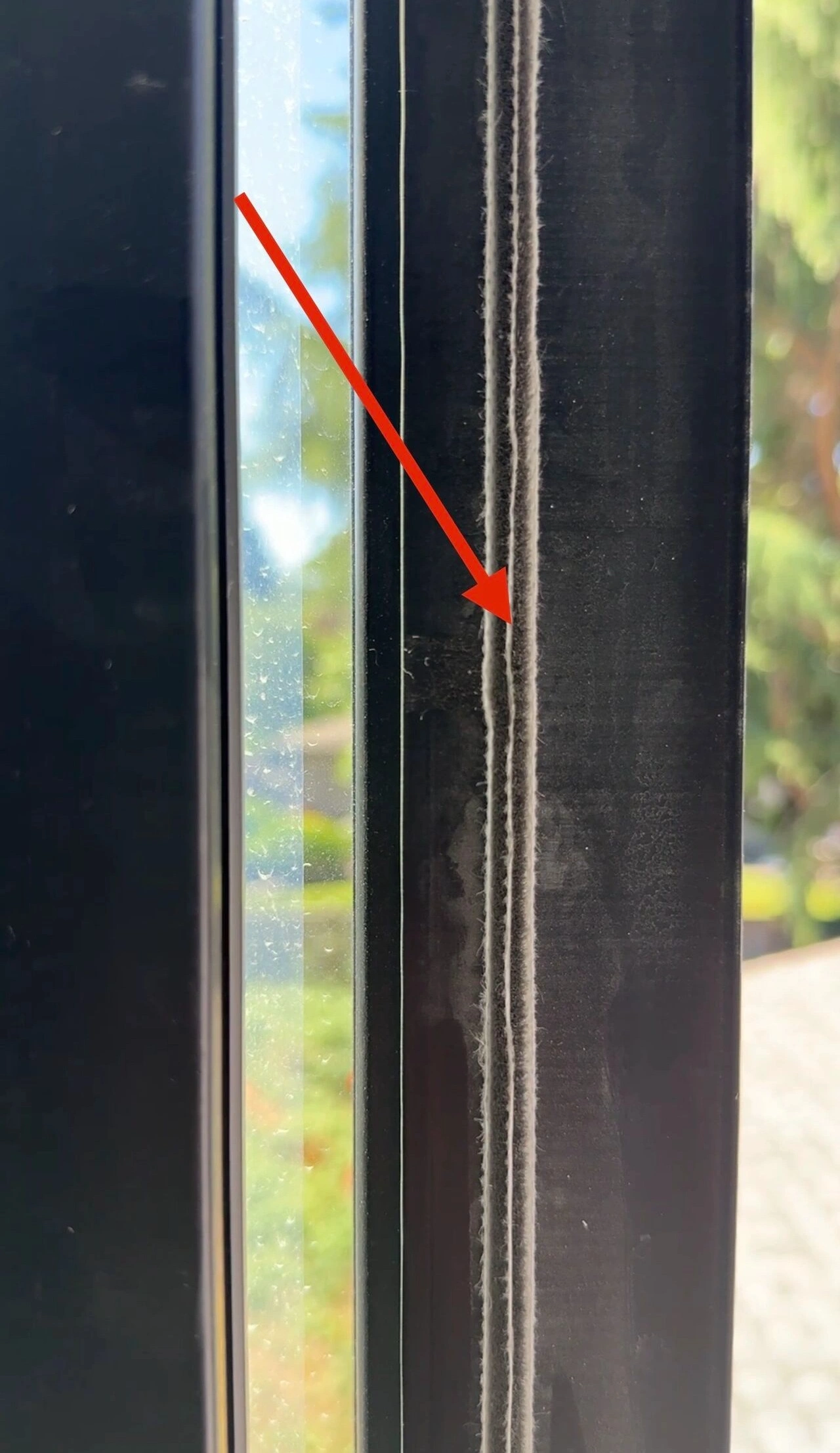
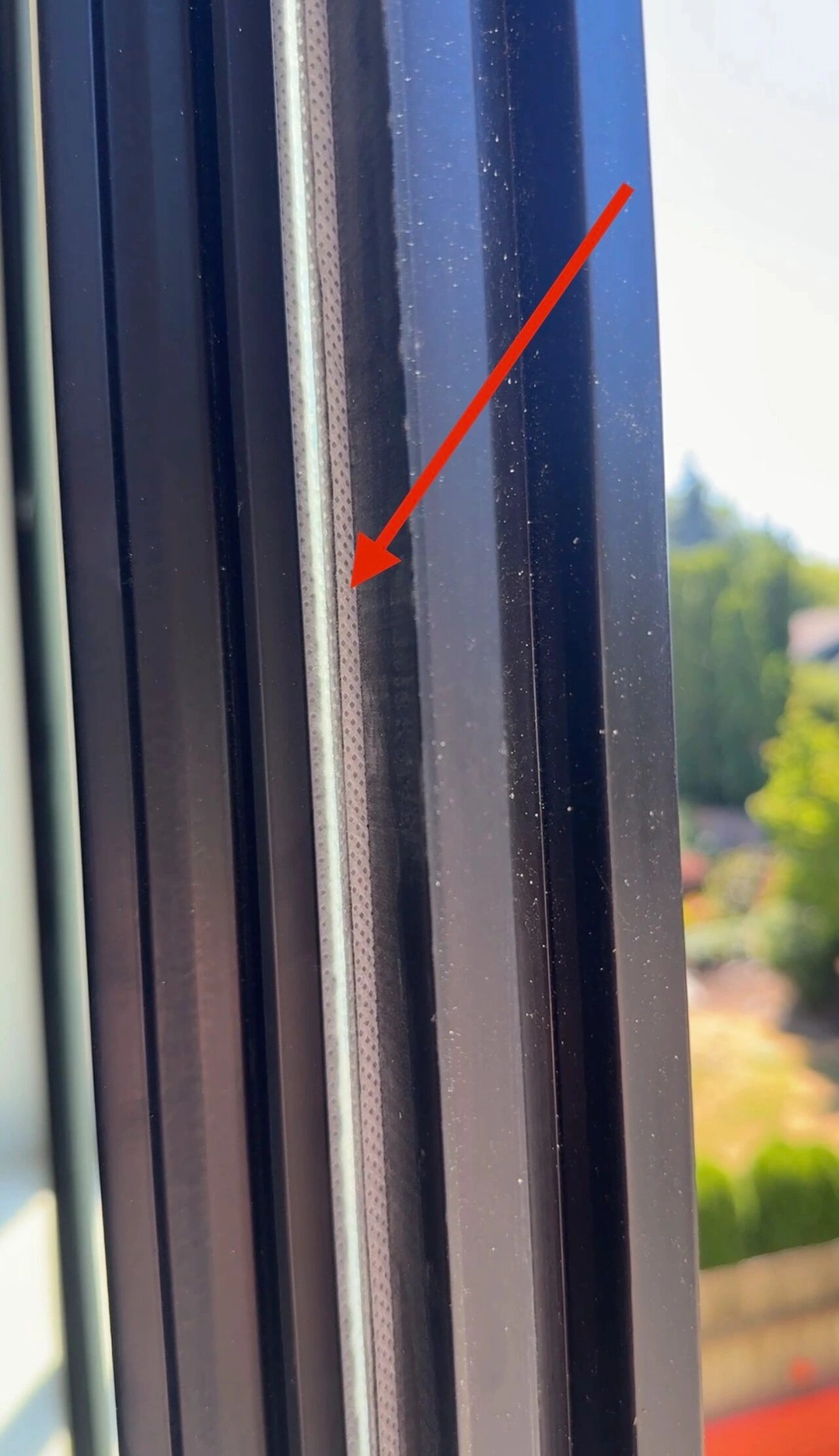
Sliders & hung windows (brush/fiber gaskets)
These are designed for movement, not pressure.
• Brush seals reduce drafts but don’t stop air leakage
• No compression = no true air or water seal
• Performance is highly weather-dependent
Key thing to remember:
A U-value on paper doesn’t tell the full story.
True window performance comes from mechanical compression, durable materials, and seals that stay effective year after year—not just on install day.
At Summit Windows, this is exactly why we manufacture European-style tilt-and-turn window systems locally—designed around EPDM compression gaskets, multi-point hardware, and long-term performance, not shortcuts.
If you’re an architect, builder, or developer working on projects where comfort, durability, and real-world performance matter, let’s talk.
Happy to review details, provide performance guidance, or walk through how these systems perform in actual builds.
Reach out to connect.